
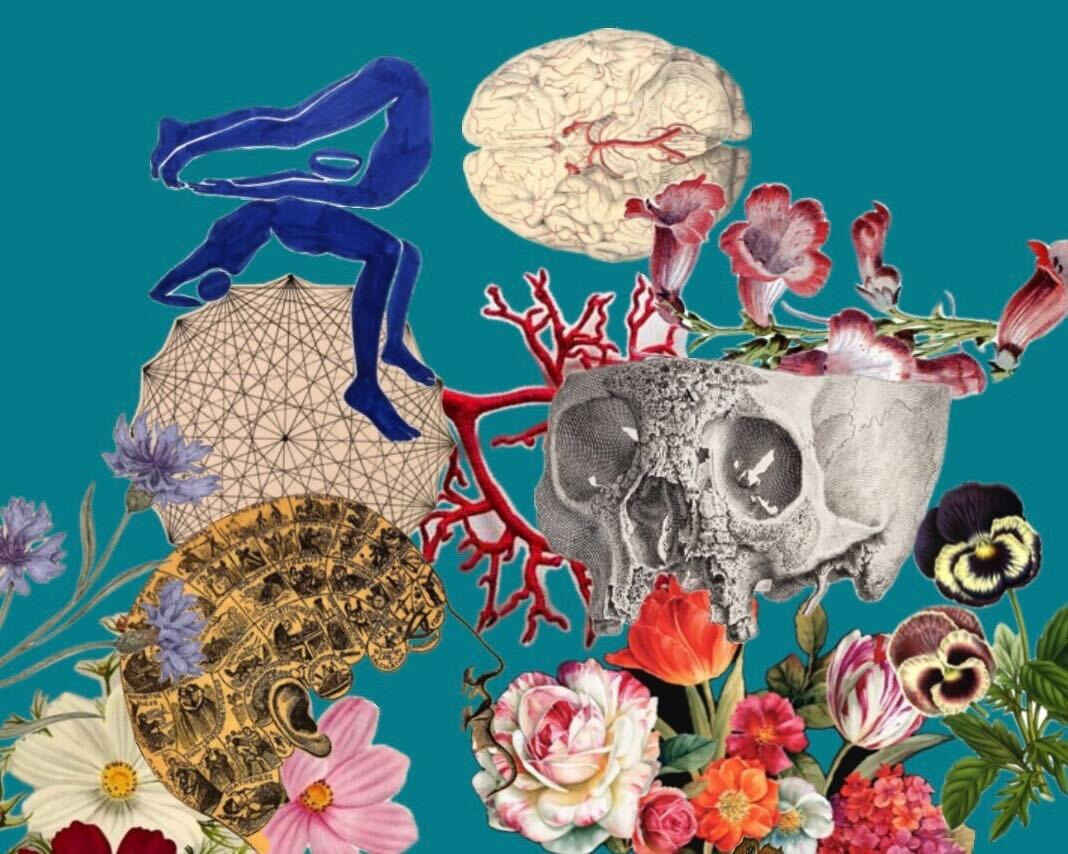
The concept of trust may at first appear as something out of the mystic relam. However, what has the potential to “ground” our view of trust may be found in studying its biological foundation. Through the years psychologists, who investigate the human mind and behavior, and neuroscientists, who delve into the study of our nervous system, have been working side by side. The research within the two fields enables us to put together complex accounts of numerous mental occurrences that consider both cognitive and neural processes. Thus, to deepen our understanding of trust we may focus on the role that brain function plays in it.
Dr. Paul J Zak, an American neuroscientist who has studied the subject of trust throughout his career, regards the notion as a “well-established scientific concept” rather than something as abstract as a feeling. Zak observed that the action of trust comes to human beings instinctively. This is something we can swiftly verify, considering that humans exist alongside one another, largely as strangers, in a multitude of settings and environments without a dominant assumption of threat amongst ourselves, unlike other animal species. From this, the following question arises: “What is it that makes us trust each other?”. In the case of certain animal groups, an increase in the production of the oxytocin hormone in the brain signals that another animal is safe to approach. According to an experiment Zaks has conducted, during which he tested the bloodstream levels of oxytocin in the events of trust being established between individuals in different circumstances across the globe, the human hormonal response corresponded with the animal. Based on this we may conclude that there is a universal link between the mental state of trust and the production of oxytocin in the brain.
The relationship between the two leads us to observe a fundamental biological connection between trust and other key aspects of our mental life associated with the production of oxytocin such as building social bonds and interpreting social cues. Moreover, It is not for nothing that oxytocin is alternatively referred to as “love hormone” for it plays a significant role in forming romantic attachments and activating the state of sexual arousal, notions that imply a notable degree of trust. Humans are creatures that are biologically wired to display sensitivity, care, and empathy towards their peers, a statement that Dr Paul J Zak actively endorses, the fact of which can be tracked on a hormonal level. Trust is connected to the production of oxytocin in the brain along with a chain of other qualities that we possess as means of connecting with our environment.
In attempts to determine the ultimate formula for cultivating trust, scientists and researchers highlight its social value. Trust is a desirable quality across a variety of settings, for example professional ones because it promotes positive communication, productivity, cooperation, and bonding essential for cooperative work. Using the analysis of data found through national surveys, we can identify countries with an increased attitude of trust present within their political and cultural climate (e.g. Norway and Sweden). This data, which essentially represents the levels of connectivity between the individuals, conveys percentages of country residents who find that most people they encounter can be trusted. High-trust countries are observed to display increased rates of economic stability and the general well-being of their citizens.
The tie between the notion of trust and well-being is one that attracts scientific interest. As it fosters healthy social behavior and learning throughout many domains of our personal and professional lives, this field of study remains highly relevant as well as one that ought to be considered from a diversity of social and scientific stand points.